Bangladesh’s next national election is being closely watched by the international community, not only as a domestic political event but also as a key indicator of democratic governance in a strategically important Indo-Pacific state.
Western governments, including the United States, the European Union, and the United Kingdom, are emphasizing the need for a free, fair, and inclusive electoral process. The credibility of the election will determine the democratic legitimacy of the next government and influence Bangladesh’s diplomatic relations with Western partners.
Bangladesh sits at the crossroads of major power competition. China views Bangladesh as a critical partner in infrastructure and Belt and Road projects. On the other hand India prioritizes regional stability, security cooperation, and economic integration.
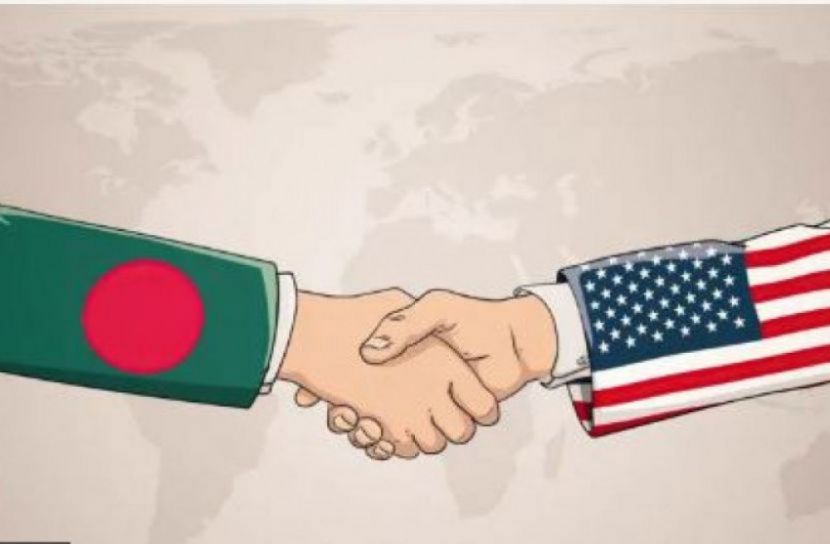
The United States and its allies focus on democratic norms, human rights, and Indo-Pacific security architecture. The political direction of the next government could shape Bangladesh’s foreign policy alignment in this evolving geopolitical landscape.
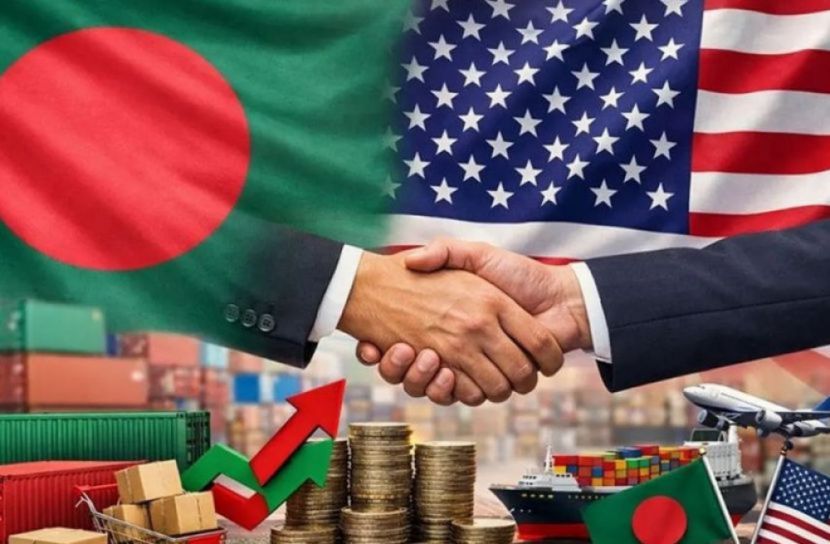
International investors, multinational corporations, and financial institutions such as the IMF and World Bank are closely monitoring political stability. A credible election could boost foreign investment and economic confidence, while political unrest could trigger capital flight and economic uncertainty. Global human rights organizations and international media outlets are tracking election-related developments, including restrictions on opposition parties, digital laws, and press freedom. These factors may influence foreign policy decisions, including visa policies and potential sanctions.
For the global community, Bangladesh’s election represents a critical balance between political stability and democratic accountability. The outcome will not only shape the country’s domestic political trajectory but also influence regional power dynamics in South Asia and the broader Indo-Pacific
Sun News/ra
Copyright © Sunnews24x7