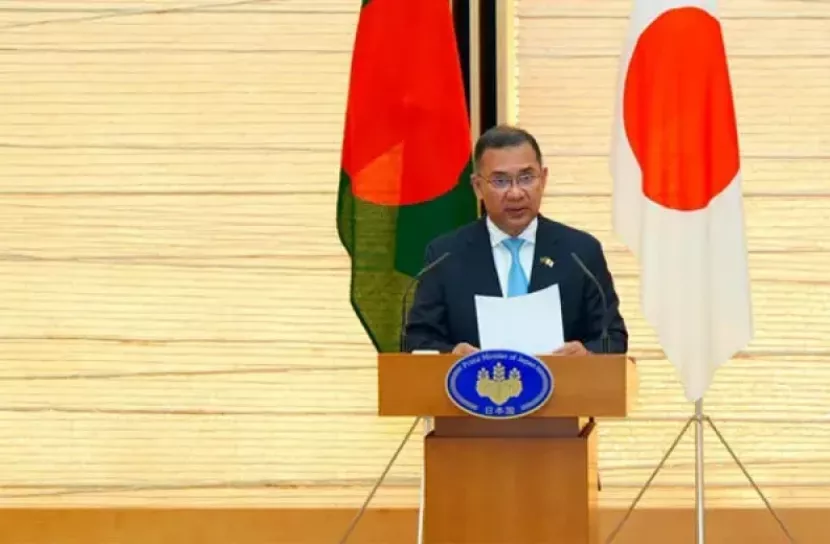
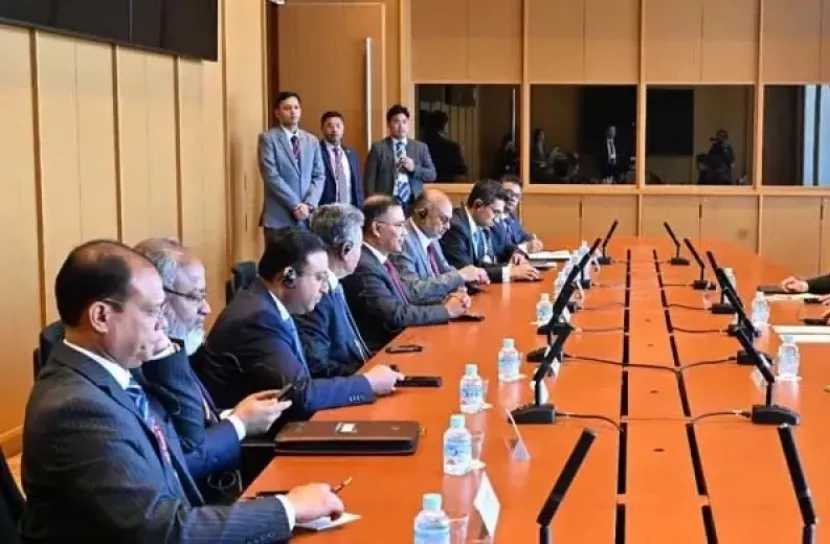
Prime Minister Tarique Rahman on Wednesday urged all Bangladeshis, including expatriates living abroad, to contribute to building a developed and prosperous country with better facilities for its people at home and overseas.
“We are all Bangladeshis. Our priority should be to do something for our country and do something better,” he said while exchanging views with Bangladeshi expatriates at a hotel in Tokyo.
Tarique said a better Bangladesh would benefit its citizens regardless of whether they live in the country or abroad. He called on people to work together for national progress, irrespective of their positions or locations.
“Wherever we are and whatever position we hold, if we believe that any work we do can bring something good for our country and its people, we should try to do it,” the Prime Minister said.
He made the remarks in response to a question from a Bangladeshi expatriate about the government's plans for overseas Bangladeshis, including those involved in political activities abroad.
Tarique said the Bangladesh Nationalist Party (BNP) had received the people's mandate to govern the country and that the government's priority was to work for the welfare of the nation.
Addressing the expatriates, he said that although they might currently be living abroad, they remained Bangladeshis and could return home one day. He urged them to consider the country's development a shared responsibility and contribute to it from wherever they lived.
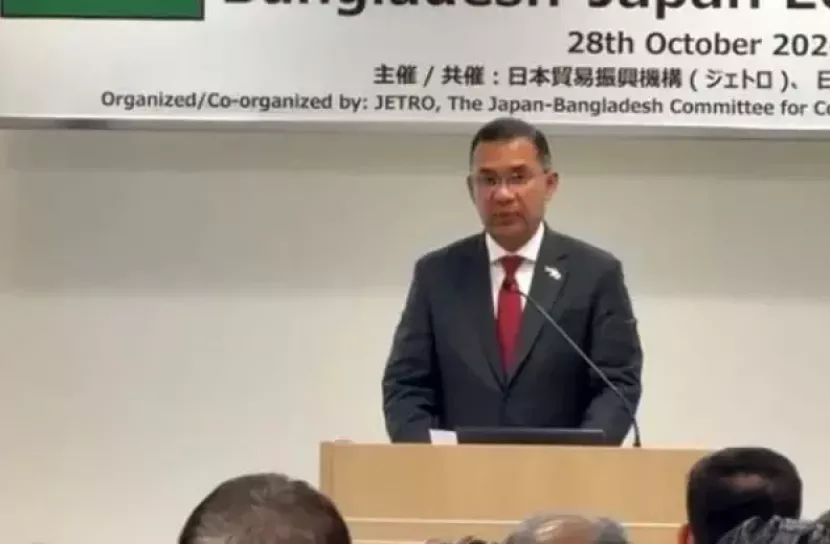
The programme was organised by Bangladesh Community, Japan, at a hotel in Tokyo. Prime Minister's wife Dr Zubaida Rahman was also present.
Foreign languages to be introduced in schools next year
During the exchange, Tarique outlined plans to introduce Japanese and several other foreign languages in schools, expand healthcare services at the upazila level and improve skills training for Bangladeshis seeking employment abroad.
He said the government planned to introduce Japanese and other foreign languages in schools from next year to equip students with the skills needed for higher education and employment opportunities overseas.
Under the plan, students would be able to choose Japanese, German or French as a third language alongside English and their mother tongue.
“We want to build a system where students learn a third language alongside English and their mother tongue,” he said.
Responding to a question from a young expatriate about the growing interest among Bangladeshi students in learning Japanese and pursuing higher education in Japan, the Prime Minister said work on the initiative had already begun. The government expected to start introducing the languages in schools next year.
He also said sports, arts and culture would be made compulsory components of education, allowing students to develop skills in at least one sport and one area of arts or culture.
Vocational education would also receive greater emphasis, he said, adding that a stronger education system would help prepare young people for future employment and enable them to compete internationally.
Upazila hospitals to be upgraded to 150 beds
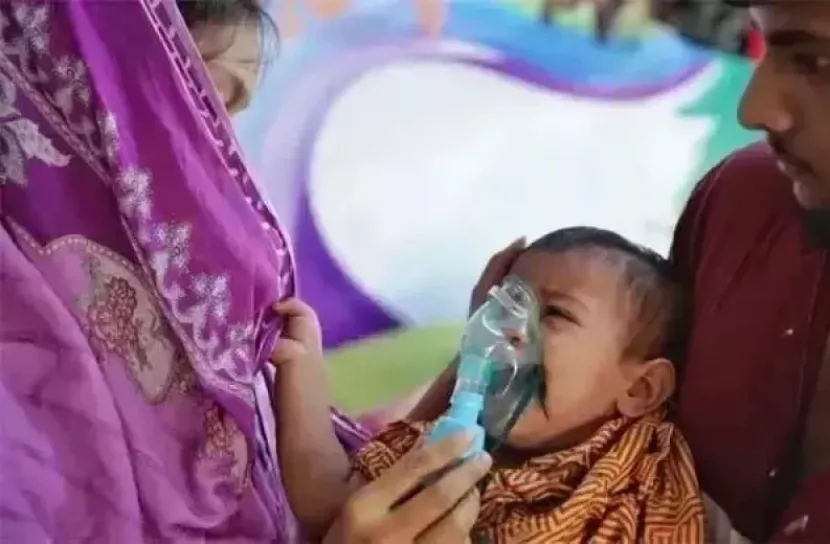
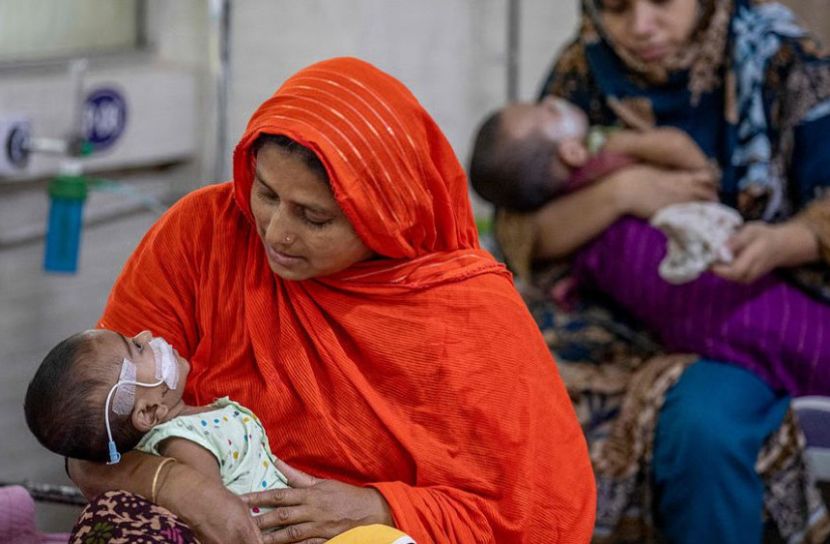
Responding to a question about healthcare and technological cooperation with Japan, the Prime Minister said the government planned to expand healthcare facilities at the upazila level to improve access to basic medical services, particularly for women and children.
He said the government aimed to upgrade existing 50-bed upazila health complexes into 150-bed hospitals over the next five years.
The upgraded facilities would include dialysis units, paediatric services and gynaecology departments to meet the healthcare needs of rural communities.
Tarique noted that major hospitals were struggling to cope with patient numbers far exceeding their capacity, while many rural residents had to travel long distances to receive treatment.
Sun News/ rabbi
Copyright © Sunnews24x7