Iran has said it will continue dialogue with Saudi Arabia, Pakistan and Turkey amid escalating regional tensions that have threatened stability and shaken the global economy.
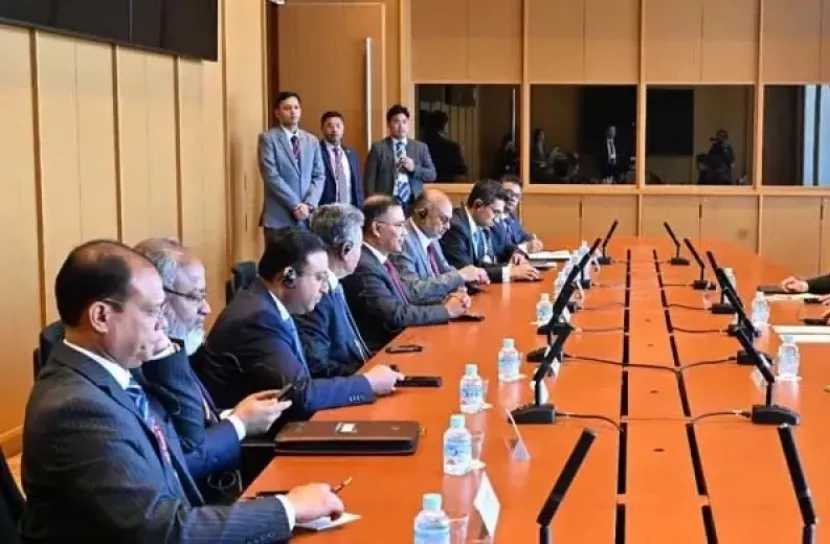
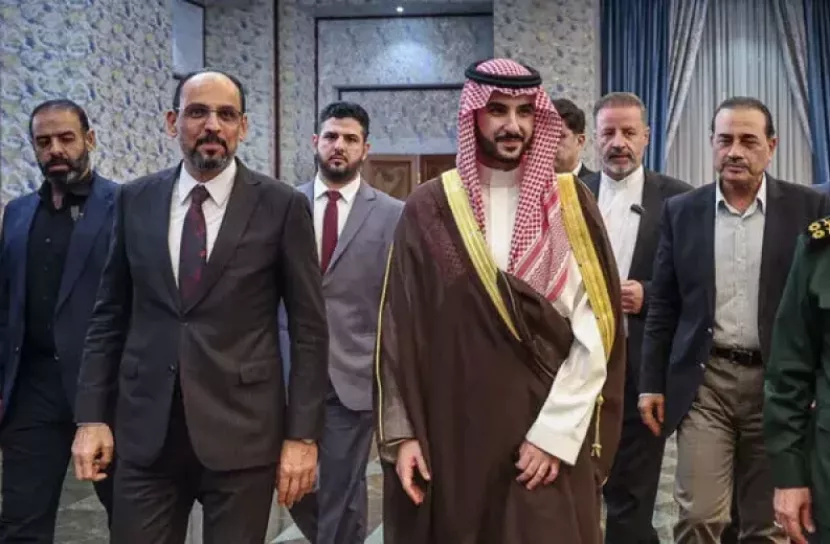
The announcement followed a meeting in Tehran on Monday between senior Iranian, Saudi, Pakistani and Turkish officials, which Iranian state television described as their first joint meeting.
In a joint statement, the four countries agreed to continue dialogue to strengthen cooperation, particularly on regional peace and security, according to Iran’s state-owned Press TV.
The meeting was hosted by Mohsen Rezaei, secretary of Iran’s Supreme National Security Council, and attended by Saudi Defence Minister Khalid bin Salman Al Saud, Pakistan’s army chief Asim Munir and Turkish intelligence chief Ibrahim Kalin.
Iranian state media also published photographs of President Masoud Pezeshkian and Foreign Minister Abbas Araghchi participating in the meetings.
Talks Focus on Regional Security and US-Iran Tensions
A senior Pakistani security official told Reuters that the discussions focused on establishing a regional non-aggression framework.
The agenda also included negotiations between the United States and Iran, Houthi attacks on Saudi Arabia, the Strait of Hormuz and the US blockade of Iranian ports.
Another Pakistani official told Reuters that Munir had presented Tehran with a proposal intended to offer benefits to both Washington and Tehran. The official said US President Donald Trump had supported Munir’s diplomatic efforts but did not disclose details of the proposal.
According to the official, countries party to the Mecca Joint Defence Agreement, along with Qatar, could act as guarantors if the proposal were accepted.
Rezaei said the visit demonstrated that US threats had limited influence over countries around the world. He also described the regional situation as having entered a “new and positive atmosphere”.
Saudi Arabia Highlights Diplomatic Efforts
Saudi Deputy Minister for Public Diplomacy Rayed Krimly said the visit was part of ongoing efforts by countries under the Mecca Joint Defence Agreement to reduce tensions and promote dialogue and diplomatic solutions.
In a post on X, Krimly said the efforts supported mediation initiatives led by Qatar and Pakistan.
He added that the agreement’s member countries had a pivotal role in strengthening regional security and stability and working with other countries in the region towards those goals.
Houthi Attacks Add to Regional Instability
The Tehran meeting marked the first high-level contact between Iran and the three other countries since Yemen’s Iran-aligned Houthi armed group escalated attacks on Saudi Arabia last month.
Munir visited Tehran last week and met with Pezeshkian and other senior Iranian officials.
During that visit, Iranian officials reportedly told Munir that Tehran would not engage in negotiations with Washington to end the US-Israeli war against Iran until its demands were met, according to Iranian media.
Pakistan has played a key mediating role between Washington and Tehran since the United States and Israel launched their war against Iran in February.
Earlier diplomatic efforts helped secure an interim agreement in June, but the arrangement quickly unravelled when fighting between Iran and the United States resumed weeks later.
The conflict subsequently expanded to include intensified hostilities involving the Iran-aligned Houthis and Saudi Arabia, opening another front and worsening Yemen’s humanitarian crisis.
The Houthi attacks have emerged as an increasingly destabilising factor in the wider conflict, putting additional pressure on Saudi Arabia, a US ally.
Mecca Defence Pact Strengthens Regional Military Ties
Turkey, Pakistan and Saudi Arabia signed the Mecca Joint Defence Agreement in August. Under the pact, an armed attack against one member is treated as an attack against all.
The agreement states that its members will use “all necessary means” to counter threats to one another’s territorial integrity, sovereignty and internationally recognised borders.
Earlier this month, defence officials from the agreement’s member countries held an emergency meeting in Riyadh and agreed to ensure the rapid deployment of military forces and capabilities in Saudi Arabia.
Turkey’s parliament began procedures to ratify the agreement last week, while Pakistan approved the pact during the same period.
The latest Tehran meeting signals an effort by the four regional powers to maintain diplomatic engagement as tensions surrounding Iran, the United States, Israel and Yemen threaten to widen instability across the Middle East.
Sun News/ rabbi
Copyright © Sunnews24x7