Transparency International Bangladesh (TIB), has warned that describing extortion in the road transport sector as a mutual settlement could pave the way for justifying similar practices in other areas, undermining the government’s stated zero tolerance policy on corruption.
In a statement issued on Friday, the anti corruption watchdog said attempts to reframe extortion as a negotiated transaction contradict the government’s declared stance against corruption and risk legitimizing unethical practices.
TIB cautioned that such interpretations could embolden corrupt activities not only in the transport sector but also across state services and development administration.
The statement comes shortly after the newly formed government reiterated its commitment to a zero tolerance approach to corruption. TIB said that recharacterizing widely discussed extortion practices in the transport sector as a settlement within 48 hours of that pledge raises serious concerns about the administration’s position.
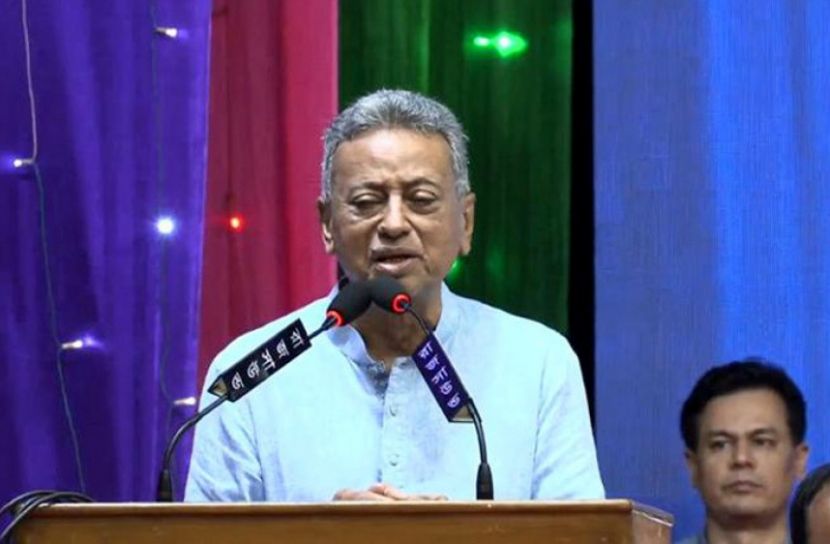
TIB Executive Director Dr Iftekharuzzaman said the definition of extortion put forward by the transport minister runs counter to the government’s anti corruption commitments outlined in its election manifesto and the prime minister’s address to the nation. Presenting an unethical and collusive crime in a positive light so soon after such pledges is deeply disappointing, he said.
He added that efforts to justify longstanding extortion practices in the road and transport sector under the pretext of owner and worker welfare are misleading. Rather than resolving systemic problems, such reasoning could entrench disorder and impunity. The financial burden of extortion, he noted, ultimately falls on ordinary passengers and transport workers.
Dr Iftekharuzzaman further warned that if road extortion is accepted as a settlement, the same logic could be extended to other sectors. These include the Bangladesh Road Transport Authority, healthcare, education, social protection, law enforcement, the judiciary, passport services, land administration and other public services, as well as government procurement, development projects, banking and the power sector. Such a trend, he said, would severely damage governance and accountability structures.
TIB urged the government to immediately reject the transport minister’s remarks at the highest level and ensure accountability through proper procedures if it is sincere about combating corruption. The organization also called for visible progress in internal party reforms and disciplinary measures.
Appealing directly to the prime minister, TIB said effective steps are needed to prevent what it described as self defeating actions by sections of party leaders and activists. Failure to act could erode public confidence and pose risks to the democratic process, the statement said.
Sun News/ra
Copyright © Sunnews24x7