Saudi Arabia’s massive defence spending and advanced air defence systems have failed to fully protect its critical infrastructure from missile and drone attacks launched by Houthi rebels in Yemen, raising questions about the kingdom’s ability to defend its vast territory and strategic assets.
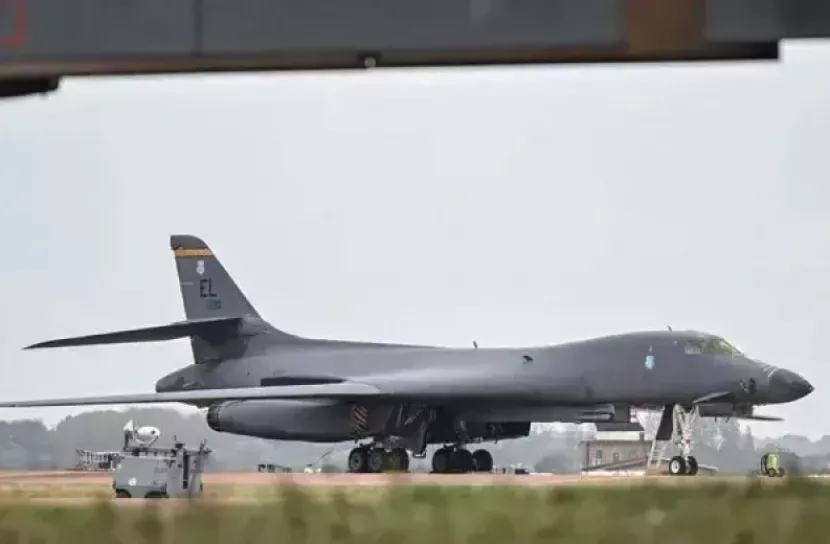
According to the Stockholm International Peace Research Institute (SIPRI), Saudi Arabia spent $83 billion on defence last year, placing it among the world’s top military spenders. The kingdom has acquired advanced US fighter jets, Patriot and Terminal High Altitude Area Defence (THAAD) missile systems, as well as sophisticated weapons from France and the United Kingdom.
Despite these investments, Saudi Arabia continues to face security threats from multiple directions. Iranian missiles and drones have targeted the kingdom from the east, while Iran-backed militias in Iraq have threatened critical infrastructure, including the East-West oil pipeline. From the south, Houthi fighters launch missiles and drones from mobile platforms and concealed positions in Yemen’s mountainous terrain.
Vast Territory, Multiple Threats
Defending Saudi Arabia presents a major challenge because of the sheer scale of its territory and the number of strategically important sites that require protection. These include airports, oil refineries, pipelines, desalination plants and other critical infrastructure.
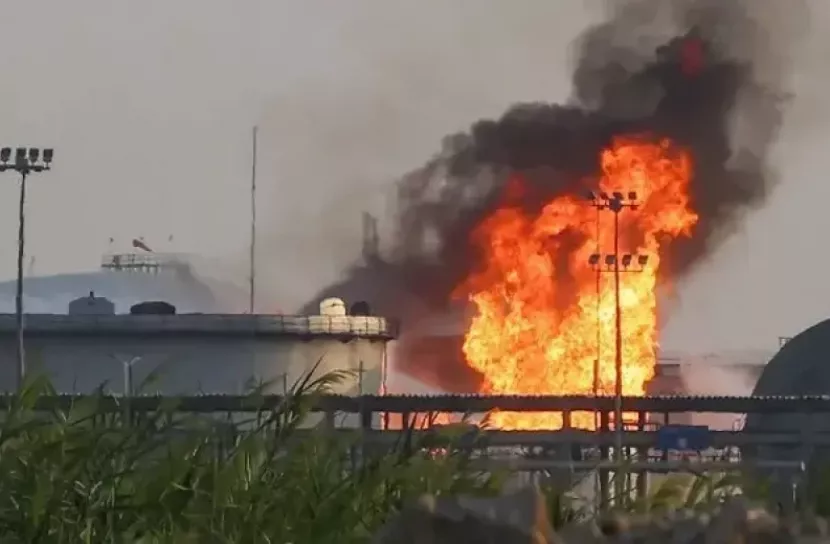
Saudi air defences have intercepted many incoming missiles and drones, but some have managed to penetrate the protective systems. Defence planners must also decide how to distribute limited interception capabilities among numerous potential targets.
The Houthis have increasingly combined ballistic missiles, cruise missiles and long-range drones in coordinated attacks designed to overwhelm air defence networks. Low-flying cruise missiles can be particularly difficult to detect and track, while newer ballistic missiles are reportedly designed to manoeuvre during flight.
Military analysts note that no single air defence system can guarantee the interception of every incoming threat, particularly when several types of weapons are launched simultaneously.
Iranian Support Strengthens Houthi Capabilities
The Houthis' growing military capabilities have also raised concerns about external assistance. United Nations experts have previously identified missile components, unmanned aerial vehicles and other military equipment of Iranian origin in Yemen, despite an international arms embargo.
Several analysts have pointed to similarities between newer Houthi missiles, including the Hatem-2 and Palestine-2, and Iranian-designed weapons. The Houthis have also demonstrated the ability to threaten targets hundreds or thousands of kilometres away.
The group has developed considerable combat experience during years of conflict and continues to maintain ties with Tehran. However, analysts also caution that the Houthis pursue their own political and military objectives rather than acting solely on Iran's instructions.
A Conflict Rooted in Years of War
The latest escalation follows years of conflict between Saudi Arabia and the Houthis. The Saudi-led military intervention in Yemen, which began in 2015, contributed to a devastating humanitarian crisis and deepened hostility between the two sides.
The Houthis have demanded an end to Saudi military operations supporting Yemen's internationally recognised government, as well as financial compensation. Their attacks on Saudi targets have increased pressure on Riyadh to choose between further military action and diplomatic engagement.
Iran has offered to help facilitate talks between Saudi Arabia and the Houthis. However, public statements by Houthi representatives suggest that a ceasefire agreement remains uncertain.
Saudi Arabia Faces Difficult Choices
The latest attacks pose a challenge to Saudi Arabia's ambitions to attract international investment and establish itself as a major destination for tourism, technology and business under Crown Prince Mohammed bin Salman's Vision 2030 programme.
Repeated attacks on airports, oil facilities and other infrastructure could undermine investor confidence and disrupt economic activity. Concerns over public safety have also emerged amid reports of interruptions to missile-warning alerts, although residents have indicated that alerts subsequently resumed.
Saudi Arabia now faces difficult decisions. Intensifying airstrikes could trigger further retaliatory attacks, while reaching an accommodation with the Houthis could prove politically difficult following deadly strikes and civilian casualties.
A ground offensive involving Yemeni government forces also appears challenging, given the Houthis' entrenched positions, combat experience and familiarity with the country's mountainous terrain.
International Support and Defence Supply Constraints
Saudi Arabia is seeking greater international cooperation to strengthen its defences. Regional partners have offered assistance, while the kingdom may pursue additional air defence equipment from the United States and European countries.
However, replenishing interceptor missiles and other advanced munitions could prove difficult. The United States has also faced constraints on its defence inventories and production capacity following sustained military operations in the region.
Previous US air campaigns against Houthi targets failed to eliminate the group's leadership or dismantle its military capabilities completely. The Houthis have continued to operate despite extensive military pressure.
Diplomacy May Offer the Most Viable Path
The continuing attacks highlight the limitations of relying exclusively on expensive weapons systems to protect a country against a determined adversary using relatively inexpensive drones and missiles.
For Saudi Arabia, the challenge extends beyond intercepting incoming weapons. It must protect critical infrastructure, maintain public confidence, preserve economic stability and avoid a prolonged conflict that could undermine its development goals.
Although stronger air defences and international cooperation may reduce the risks, a lasting solution is likely to require diplomatic efforts alongside military measures. Any agreement would need to address the security concerns of Saudi Arabia and the Houthis, while accounting for the broader regional rivalry involving Iran.
For now, the kingdom faces a difficult balance between defending its territory, deterring further attacks and preventing the conflict from escalating into a wider regional confrontation.
Sun News/ rabbi
Copyright © Sunnews24x7